More Focus on How Fixtures Fit Into Your Daily Life
In the past, conversations surrounding lighting fixtures often focused on materials or CRI. Of course, the fixtures themselves and how they look and act still matter, and we’ll highlight some of those trends here. But the biggest trend this year is how those fixtures fit into an overall smart home ecosystem. Particularly in their role in lighting scenes that highlight architectural features and streamline daily routines.
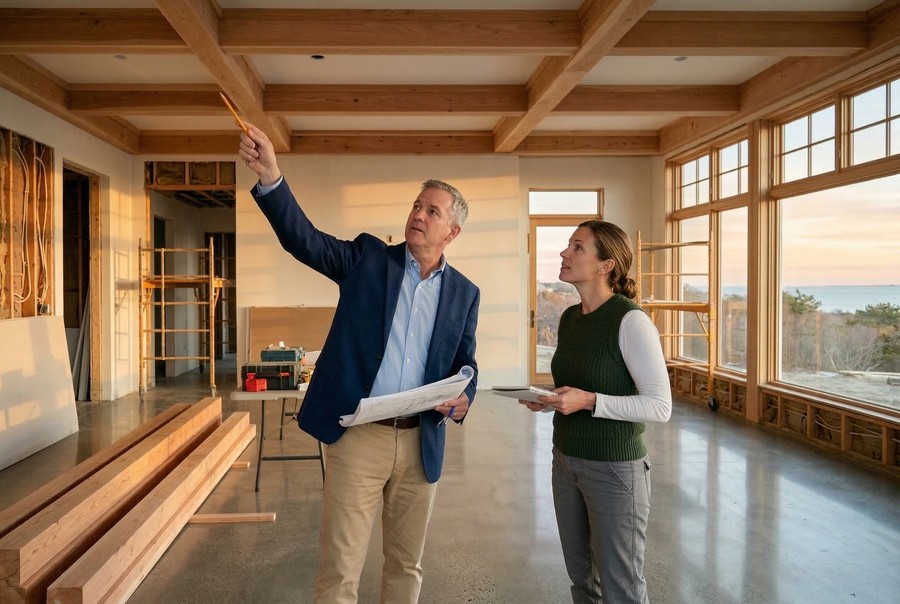
However, for that integration to work, lighting shouldn't be an afterthought. It’s important to collaborate with integrators like Sierra Integrated Systems during the blueprint stage to merge aesthetics and technology early in your project.
Employ Fixtures as Purposeful Design Aspect
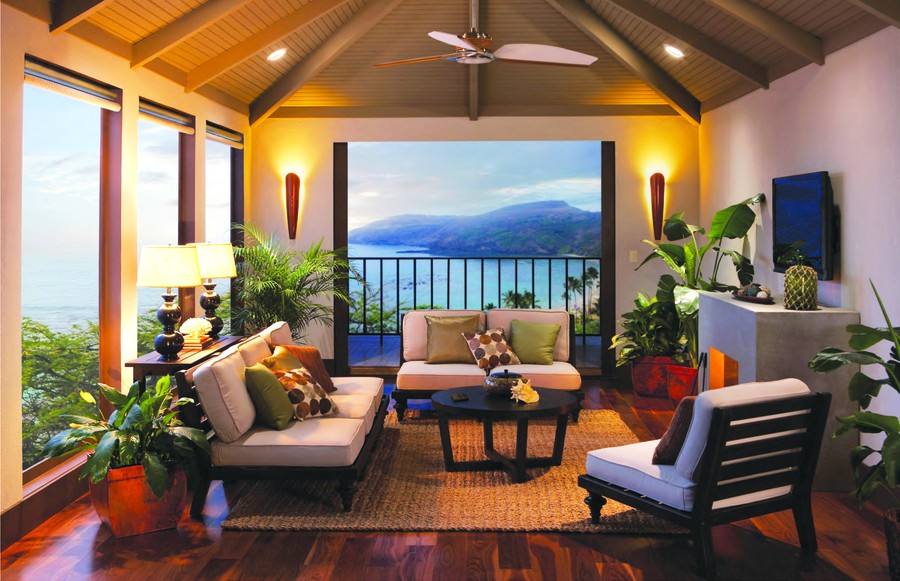
Even though we’re focusing on functionality and lifestyle integration, there are still some stylistic tips to consider when it comes to your lighting fixtures. In a layered lighting design, there are fixtures for ambient, task, and accent lighting. In some cases, you want fixtures to stand out, and in others, you want them to disappear.
For the former, 2026 has introduced some distinctive material trends. We’re seeing more decorative fixtures of mixed metals and organic textures—like sculptural hand-blown glass chandeliers. These double as artistic statement pieces when they’re not in use. On the other hand, you want a more subtle approach for ambient lighting. Architects and interior designers often create ‘quiet ceilings’ with small, trimless recessed lighting that stays out of sight.
Integrating Fixtures With Your Automation Systems
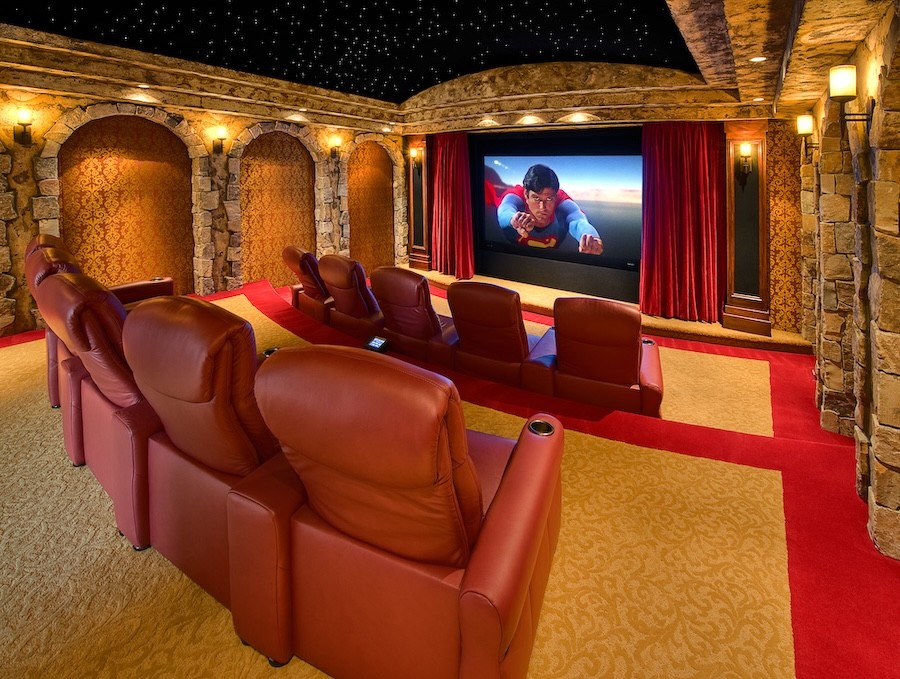
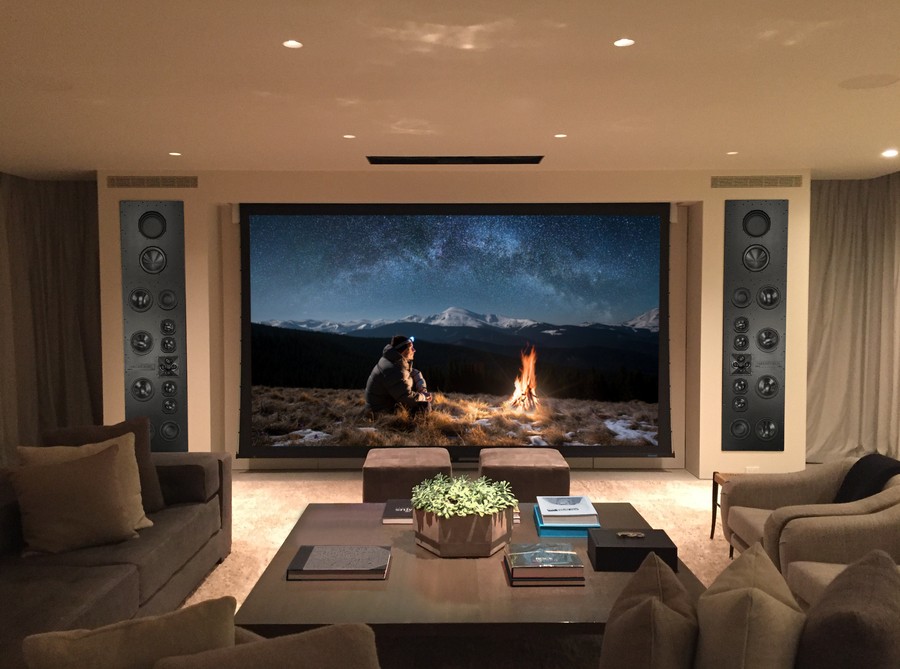
The real change we see in 2026 is more thought about the fixtures’ role in the home. They should be part of specific lighting scenes with dedicated purposes. These scenes dictate which fixtures to activate and how they should be used. Below are some examples of common lighting scenes: